
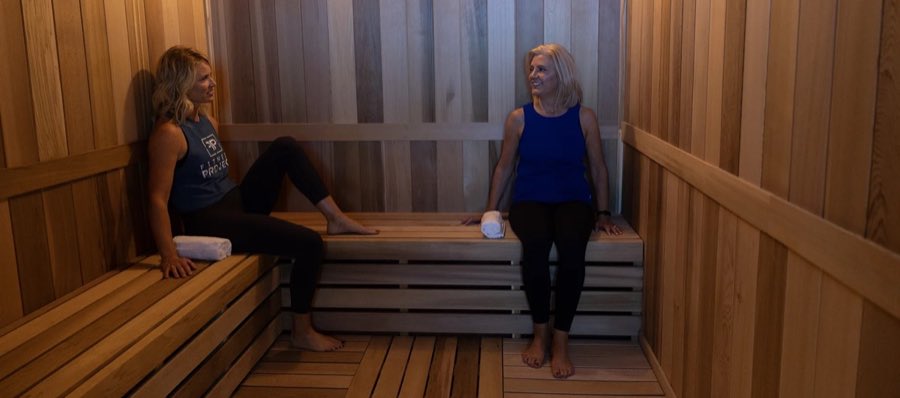

Using a traditional dry sauna can be a transformative addition to your wellness routine. When used correctly, a sauna can boost physical health, support muscle recovery, enhance mental clarity, and promote relaxation. However, knowing the proper steps for preparation, session length, and safety is crucial to maximizing these benefits. Whether new to saunas or looking to refine your approach, this comprehensive guide will help you use a traditional dry sauna like a pro.
Sauna Benefits: Why You Should Use One
Dry saunas have been used for centuries for their therapeutic effects. Here are some of the most important benefits:
- Improved Circulation: The intense heat in a sauna dilates blood vessels, increasing blood flow throughout the body. This improved circulation can help reduce inflammation and promote healing in sore or injured muscles.
- Muscle Recovery and Pain Relief: Saunas are beneficial after a workout. The heat helps relax muscles and reduce stiffness and soreness, making them ideal for recovery from strenuous physical activity.
- Detoxification: Sweating is one of the body's natural ways to eliminate toxins. A sauna induces a deep sweat that can help flush out impurities such as heavy metals and environmental chemicals.
- Mental Clarity and Stress Relief: A dry sauna offers a quiet, warm environment that promotes relaxation. It can reduce cortisol levels (the stress hormone) and increase endorphins, leading to well-being.
- Improved Sleep Quality: Many people sleep more soundly after a sauna session. The drop in body temperature following a sauna visit can signal the body to rest.
Pre-Sauna Preparation: What to Do Before You Step In
Preparing properly before entering a sauna ensures you gain the full benefits while minimizing risks.
Hydrate: Begin hydrating at least 30 minutes before your session. Saunas cause you to lose fluids quickly through sweat, so entering a dehydrated state can lead to dizziness or fainting.
Shower and Dry Off: Always take a quick shower to rinse off dirt, oils, and sweat. Dry off completely with a clean towel. This keeps the sauna cleaner and allows your body to sweat more efficiently.
Dress Appropriately: Many people use a sauna in a towel or swimsuit. In some private or cultural settings, nudity may be acceptable, but in public places like gyms, follow the posted dress code.
Pack Essentials:
- A large towel to sit or lie on
- A water bottle to rehydrate afterward
- Flip-flops or sandals for hygiene
- An optional small towel to wipe away sweat from your face
Avoid Heavy Meals: Do not eat a heavy meal right before entering. A full stomach can lead to nausea or discomfort in the intense heat.
How to Use a Sauna at the Gym
Using a sauna in a public gym requires more etiquette than using one at home.
- Follow Posted Guidelines: Every gym has its own set of rules. These are usually posted outside the sauna. Take a moment to read them, especially if you are new to that facility.
- Respect Personal Space: Keep your belongings close and know others' comfort zones. Avoid crowding or loud conversations.
- Be Clean: Always sit on a towel. This prevents sweat from soaking into the bench and keeps the environment more hygienic for everyone.
- Keep Sessions Short and Quiet: Limit your time to 15-20 minutes. Refrain from loud talking, music, or phone use—these can ruin the calming atmosphere for others.
- Shower Before and After: Arrive clean and leave refreshed. A post-sauna shower helps wash off sweat and cool your body down safely.
How to Use a Sauna After a Workout
Using a sauna after exercising is one of the best times to incorporate it into your routine. Here's how to do it effectively:
Allow a Cooldown Period: After intense training, let your heart rate settle by spending 5-10 minutes stretching or walking before entering the sauna.
Hydrate Again: You have already lost water through exercise, and the sauna will cause additional fluid loss. Drink water or a sports drink to replenish electrolytes.
Benefits Post-Workout Include:
- Enhanced circulation to help with nutrient delivery to muscles
- Accelerated removal of lactic acid buildup
- Reduced delayed-onset muscle soreness
Light Stretching: Some gentle stretching in the sauna can improve flexibility, especially when your muscles are warm.
Cool Down Gradually: After exiting the sauna, sit in a cooler environment or take a lukewarm shower to return your body to normal temperature.
How Long Should You Stay in a Sauna?
The perfect length for a sauna session can differ significantly from person to person. It all depends on your individual experience, fitness level, and comfort. So listen to your body and find that sweet spot that leaves you feeling relaxed and rejuvenated!
Beginners: Start with short sessions—about 5 to 10 minutes. As your body adapts, you can gradually increase your time.
Experienced Users: Depending on your feelings, you may stay in for up to 20 minutes.
Multiple Rounds: Some advanced users alternate heat sessions with cold plunges or showers. Limit yourself to 2 or 3 rounds of 10-15 minutes each, with cooling-off periods in between.
Signs It Is Time to Exit:
- Dizziness or lightheadedness
- Headache or nausea
- Excessive thirst or rapid heartbeat
Safety Tips: Do's and Don'ts for Sauna Use
Staying safe is key to fully enjoying your sauna sessions repeatedly! Prioritizing safety ensures you can relax and reap all the benefits without any worries. Embrace the heat while keeping your well-being in check for the ultimate sauna experience!
Do:
- Hydrate thoroughly before and after
- Sit on a towel to protect yourself and the sauna bench
- Remove metal jewelry that can heat up and cause burns
- Use time wisely—track how long you stay in
- Exit immediately if feeling ill
Don't:
- Use the sauna if you are under the influence of alcohol or drugs
- Enter with a full stomach or immediately after eating
- Fall asleep inside the sauna
- Stay in for extended periods without a break
Note: If you have medical conditions such as heart problems or low blood pressure or are pregnant, consult with a doctor before using a sauna.
Advanced Tips to Sauna Like a Pro
Once you are comfortable with the basics, you can elevate your experience using the following expert strategies:
Contrast Therapy
This practice entails switching between the soothing warmth of a sauna and the invigorating chill of cold exposure, such as an ice bath or a brisk cold shower. This rhythmic transition can effectively stimulate blood circulation, elevate mood, and accelerate recovery by promoting relaxation and a refreshing recharge for the body.
Deep Breathing and Meditation
Practicing mindfulness or deep breathing in the sauna can significantly amplify relaxation. Try inhaling deeply through your nose and exhaling slowly through your mouth.
Aromatherapy
If allowed, use essential oils like eucalyptus or lavender. A drop on a towel or in the water (for steam saunas) can improve respiratory function and promote calm.
Multiple Short Sessions
Many sauna enthusiasts swear by the benefits of enjoying 2 to 3 shorter sessions instead of sticking to just one long soak. They find that taking refreshing cooling-off breaks in between really enhances the experience! It's a great way to maximize relaxation while refreshing and rejuvenating your body.
Track Your Progress
Keeping a journal of your sauna use can help you recognize trends in how your body reacts and how your performance or mood improves.
Conclusion
Mastering a traditional dry sauna can significantly enhance your physical and mental well-being. The benefits are substantial, ranging from reducing stress and supporting recovery to promoting detoxification and better sleep. By preparing properly, respecting your body's limits, and following safe practices, you can confidently enjoy every session. Whether you use a sauna at the gym, after a workout, or in your own home, treat each visit as a step toward a healthier, more relaxed version of yourself. Drink plenty of water, pay attention to how you feel, and take time to unwind—your body and mind will thank you.
Frequently asked questions
Beginners should start with short sessions of about 5 to 10 minutes and gradually increase the time as their body adapts to the heat. Experienced users can typically stay in for up to 20 minutes, while those doing multiple rounds should limit each round to 10-15 minutes with cooling-off breaks in between. Always exit immediately if you feel dizzy, nauseous, or lightheaded.
A dry sauna is most effective after a workout, once you've had 5-10 minutes to cool down and your heart rate has settled. Post-workout sauna use enhances circulation for nutrient delivery, helps clear lactic acid buildup, and can reduce delayed-onset muscle soreness. Rehydrate with water or an electrolyte drink before and after your session at Recovery Project.
Hydrate for at least 30 minutes beforehand, shower and dry off completely, and avoid eating a heavy meal right before your session. Dress appropriately for the setting, and pack a towel to sit on, a water bottle, and sandals. Proper preparation helps you sweat more efficiently and minimizes the risk of dizziness or discomfort.
Regular sauna use is generally safe for healthy adults when sessions are kept short (around 15-20 minutes), you hydrate thoroughly, and you exit at the first sign of dizziness, headache, or a racing heartbeat. People with heart conditions, low blood pressure, or who are pregnant should consult a doctor before starting a sauna routine. Recovery Project recommends listening to your body and pairing sauna sessions with proper hydration for the best results.
Ready to feel better?
Book a consultation and build a recovery plan around your goals.
Book a Consultation